Published on August 9, 2026 · Marcin Jeziorowski
What does the homologation process for the Cybertruck look like in Spain? Key information
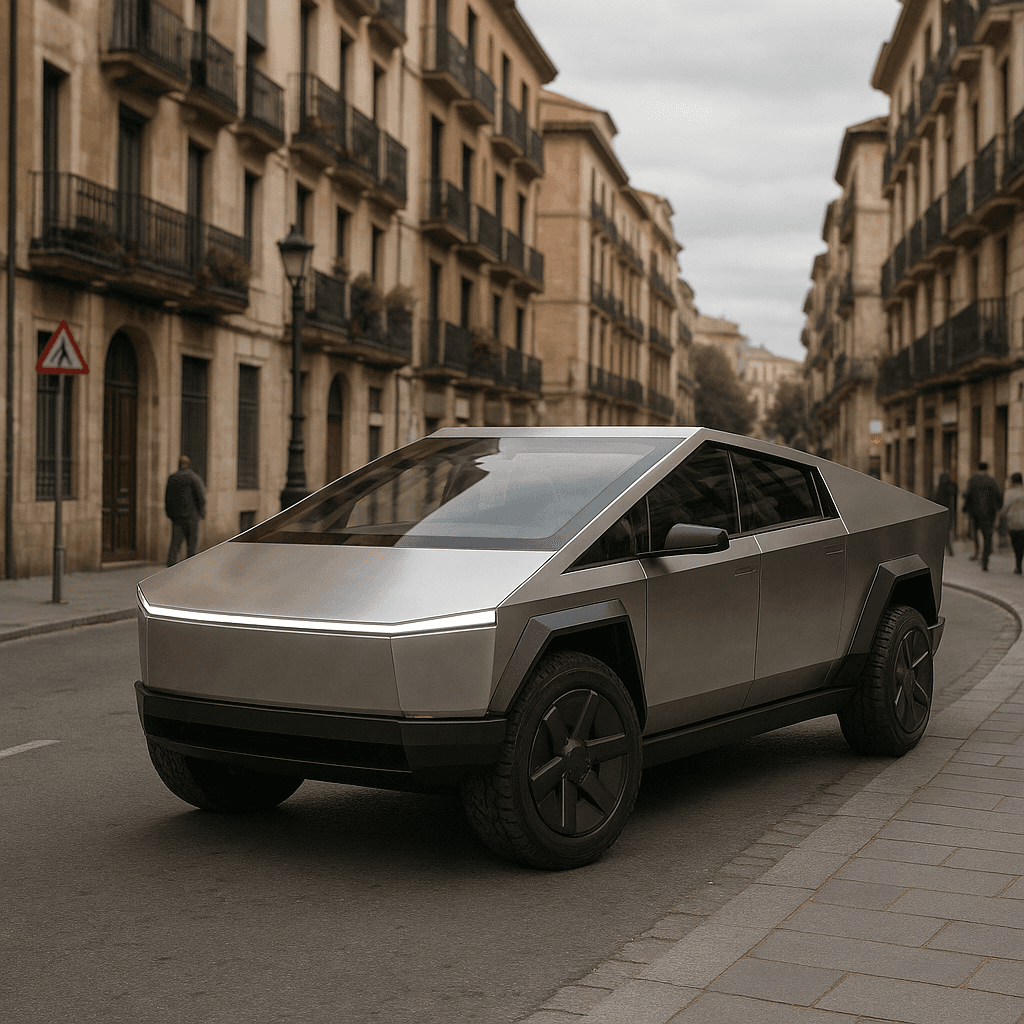
Introduction to the homologation of the Tesla Cybertruck in Spain
The homologation of the Tesla Cybertruck in Spain is an extremely important step that allows for the legal use of this vehicle on European roads. The entire process requires meeting specific standards and technical regulations aimed at adapting the vehicle to local requirements. Importantly, each vehicle may have unique requirements based on its specifications and the documentation provided.
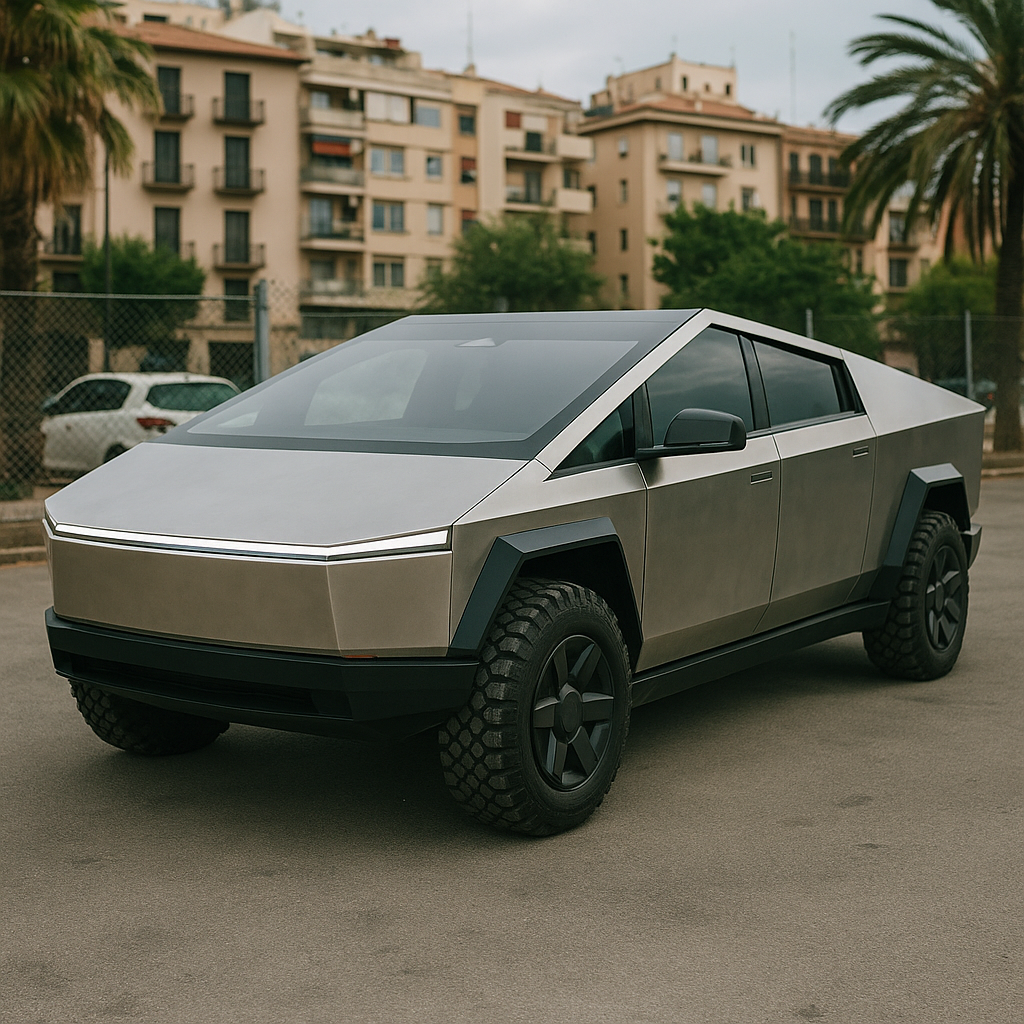
As part of our offered service, Cybertruck Europe is ready to assist clients in preparing the necessary documentation and making the required technical modifications. Our experience in this field allows us to provide detailed advice on all the steps necessary to register the Cybertruck in Spain.
Steps in the Cybertruck homologation process
The homologation of the Tesla Cybertruck in Spain is a process consisting of several key stages. The first of these is a thorough analysis of the vehicle's technical condition, which will help determine what modifications may be necessary to adapt it to local standards. It is crucial for the vehicle to meet European safety and emissions standards.
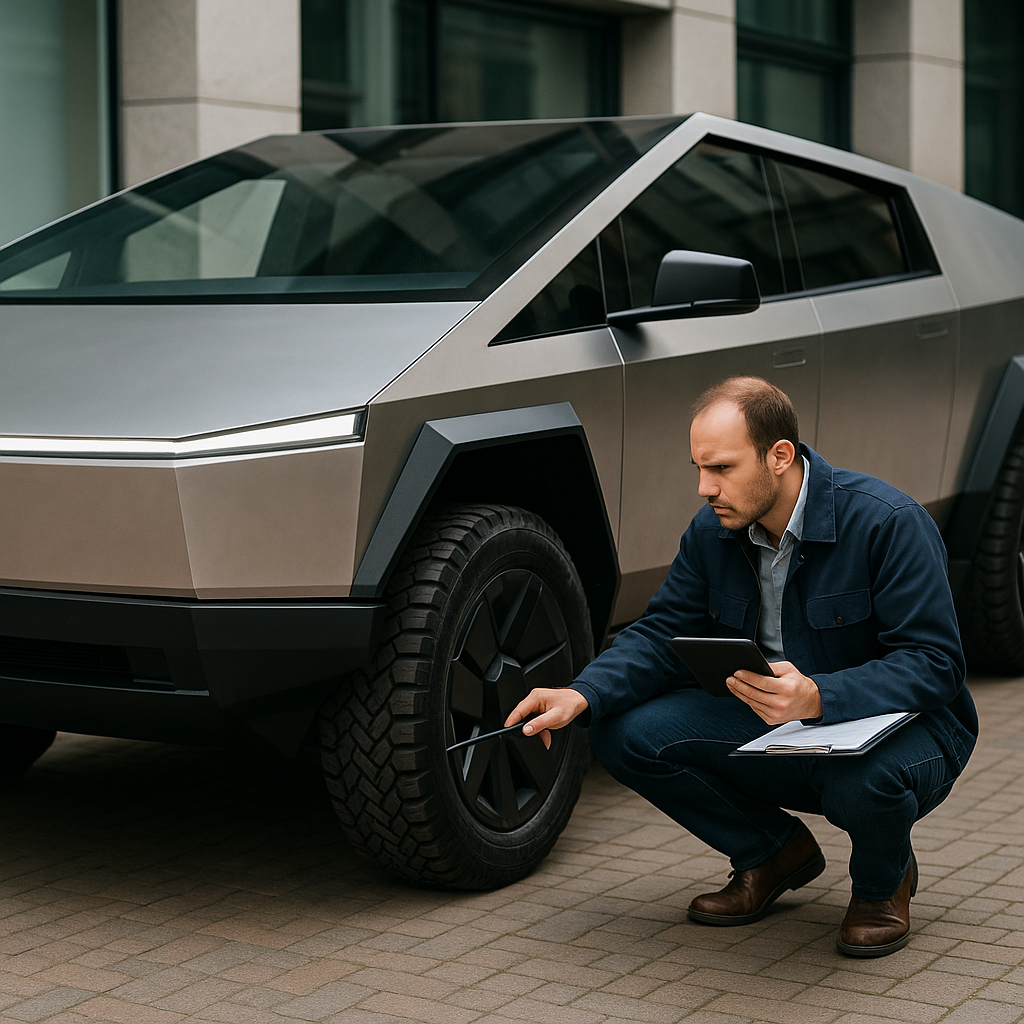
During the adaptation phase, important modifications may include corrections to lighting systems, steering mechanisms, or suspension elements. After all required changes have been implemented, the Cybertruck must undergo technical inspections (ITV) to confirm the vehicle's compliance with current regulations. Only receiving positive inspection results allows for finalizing the homologation procedure.
Required documentation and legal issues
In the homologation process of the Tesla Cybertruck in Spain, it is crucial to prepare the appropriate documentation. Key documents include original manufacturer certificates, purchase invoices, and documentation regarding all modifications made. Careful preparation of paperwork can significantly accelerate the entire process, so it is worth considering professional assistance.
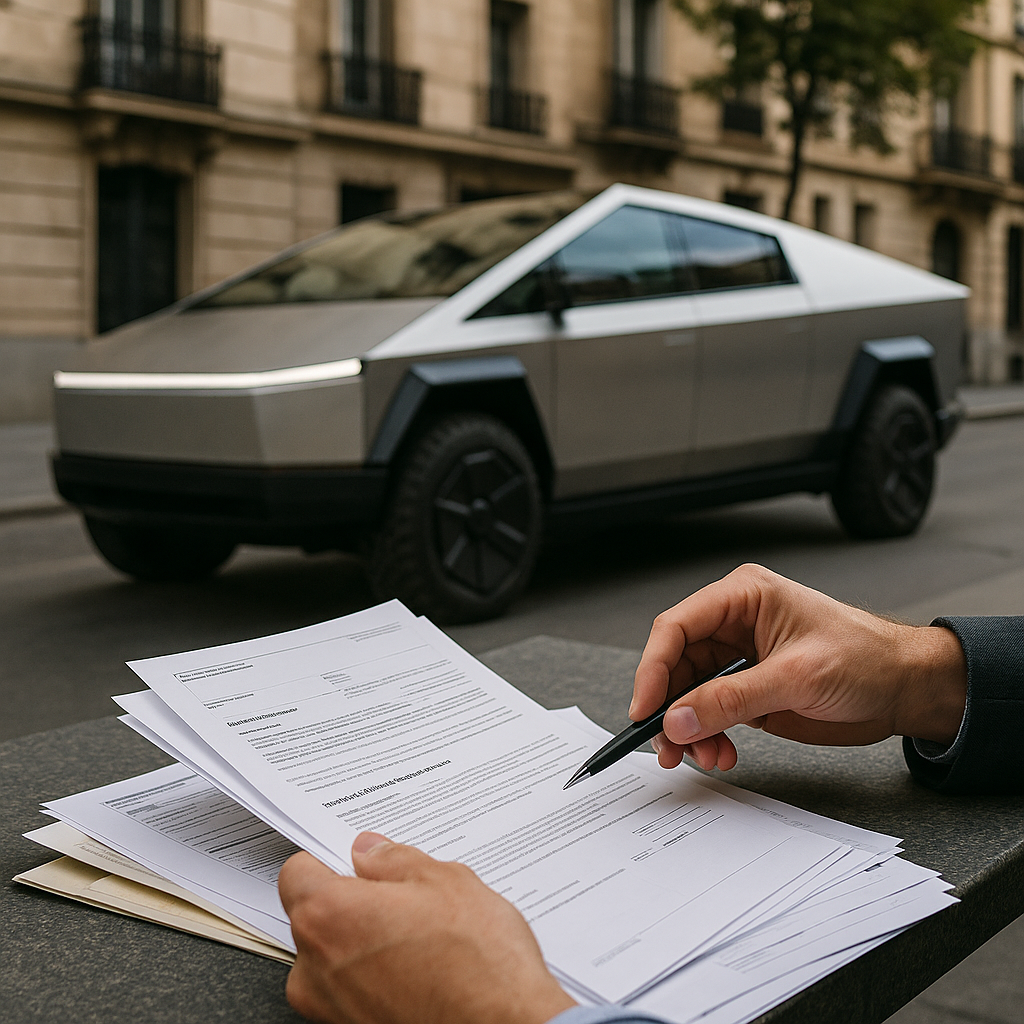
Do not forget that after the homologation is completed, the vehicle registration stage follows. It will be necessary to submit an appropriate application at the local office, along with providing all required documents. The final requirements may vary depending on the region and the individual characteristics of the vehicle, which should be considered in plans for purchasing and importing the Cybertruck.
Frequently asked questions
1. What is the homologation of the Tesla Cybertruck in Spain?
The homologation of the Tesla Cybertruck in Spain is a process that legalizes the vehicle by confirming its compliance with European safety and emissions standards.

2. What documents are needed for Cybertruck homologation?
The homologation process will require, among other things, the owner’s identity documents, original vehicle documents, and confirmations of any modifications made.
3. Is homologating the Cybertruck in Spain mandatory?
Yes, homologation is necessary to legally use the Cybertruck on Spanish roads.
4. What modifications may be required for homologation?
The most commonly required modifications involve lighting, suspension, and other elements that must comply with European standards.
5. How long does the Tesla Cybertruck homologation process take in Spain?
The duration of homologation may vary depending on the vehicle specifications and the requirements of the authorities. However, it is advisable to reserve several weeks for the entire process.
6. Can I carry out the Cybertruck homologation myself?
Theoretically, this is possible, but due to the complexity of this process and technical requirements, it is usually recommended to use professional services.
7. What are the costs of homologating the Tesla Cybertruck in Spain?
The costs of homologation may vary depending on the company handling the process and the required modifications, so it is best to obtain an individual quote for services.
8. What is the ITV inspection and how does it affect homologation?
The ITV inspection is a mandatory technical review of the vehicle that you must undergo after homologation to confirm that the vehicle meets safety standards.
9. What are the consequences of not homologating the Cybertruck?
Failure to homologate the vehicle prevents its registration, which in turn leads to financial penalties and the necessity to return the vehicle to the country of purchase.
10. Where can I get help with the homologation process of the Tesla Cybertruck in Spain?
It is recommended to use the services of specialized companies such as Cybertruck Europe, which offer comprehensive support in the area of homologation and vehicle registration.
Summary
The homologation of the Tesla Cybertruck in Spain is a multi-step process that requires consideration of various technical norms and legal regulations. Owners should focus on ensuring that the vehicle is adapted to European standards, which may sometimes mean necessary modifications related to lighting, safety systems, and updating documents. Requirements will vary depending on the vehicle's specifics and current regulations.
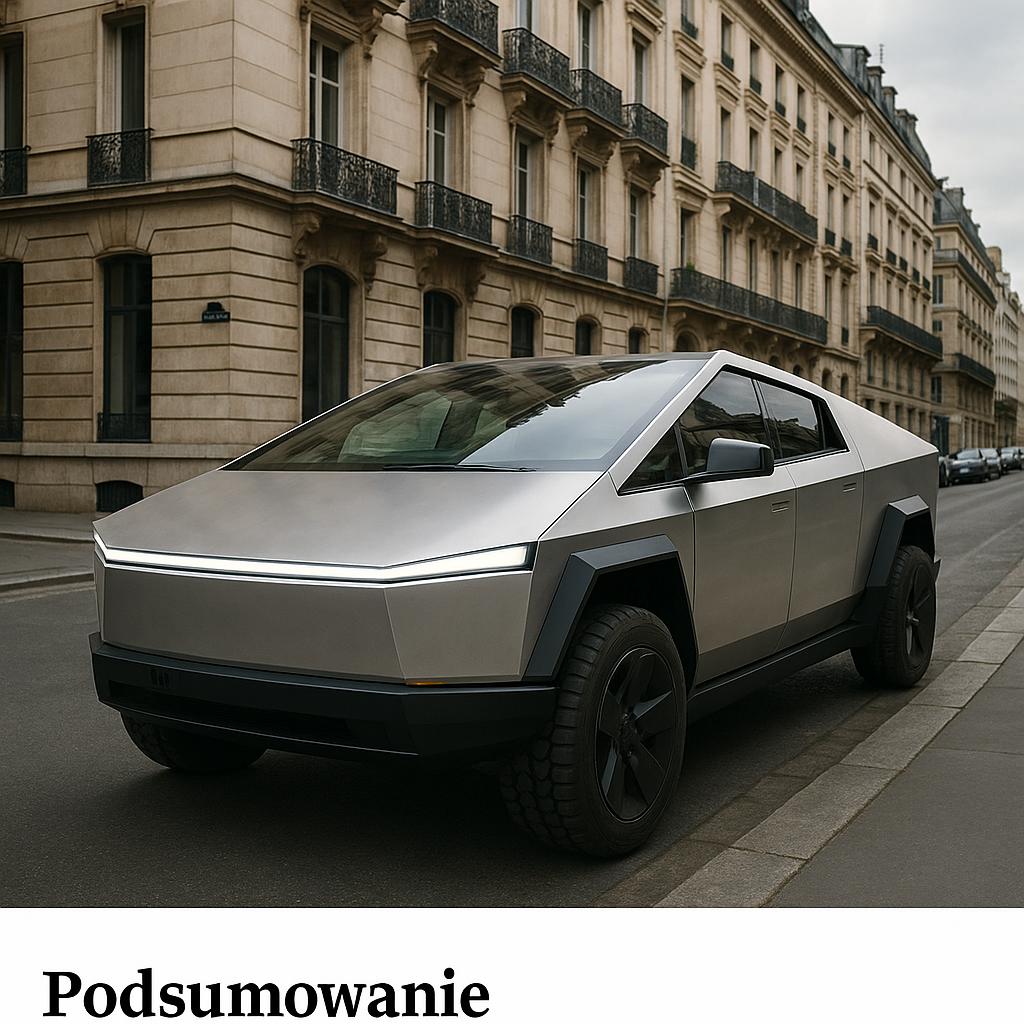
In summary, collaborating with professionals who will provide comprehensive support throughout this process and help simplify registration formalities is a crucial step in obtaining the Cybertruck's homologation. We encourage you to contact Cybertruck Europe to take advantage of professional assistance in importing and homologating your vehicle.
What does the homologation process for the Cybertruck look like in Spain? Key information
The homologation of the Tesla Cybertruck in Spain is a complex process that involves various categories of costs. Understanding these costs is essential for anyone planning to import and register their vehicle on European roads. Here are the key categories of expenses typically associated with the homologation of the Cybertruck.
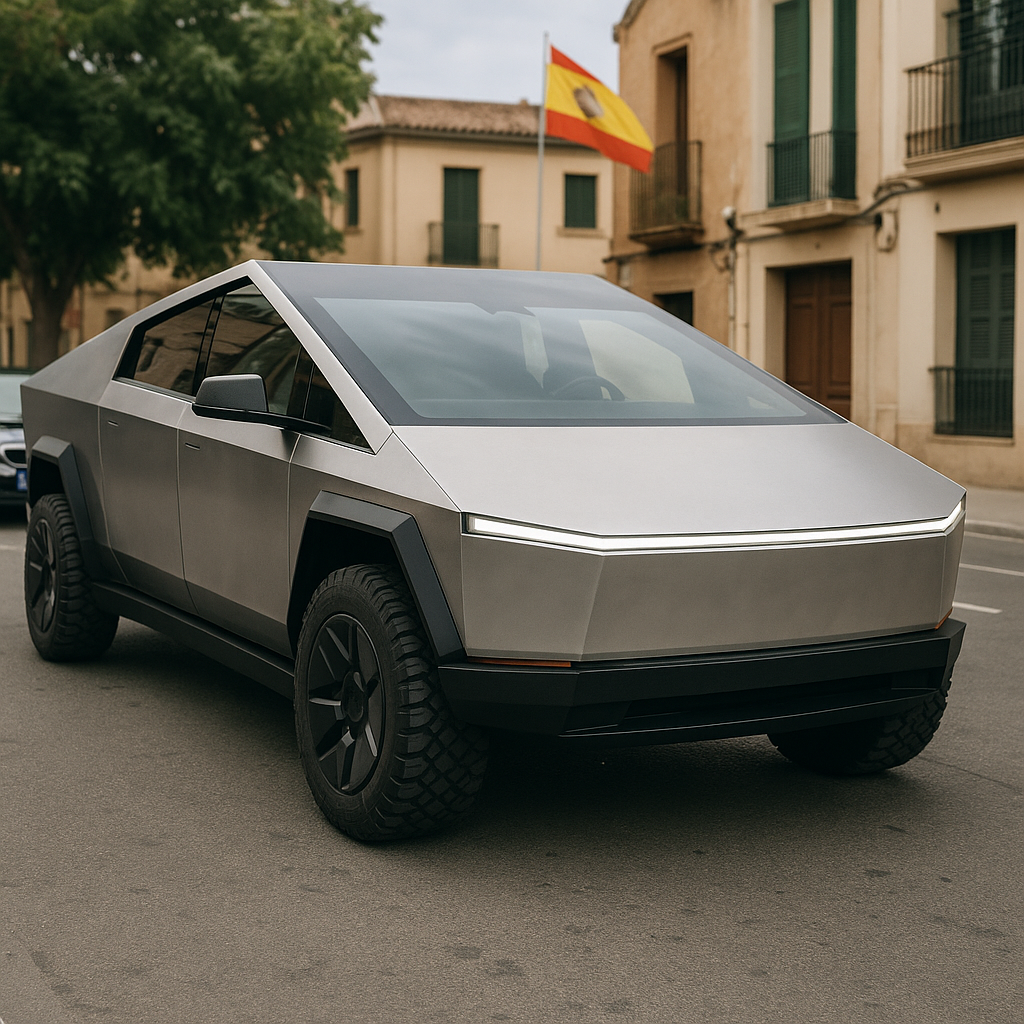
- Customs duties and import taxes: Fees associated with importing the vehicle from the USA depend on the vehicle's value and current customs regulations. These costs may vary depending on the type of vehicle and country of origin.
- Transportation: The cost of delivering the Cybertruck to Spain, which can include both sea and land transport. The amount of these costs depends on the distance and the chosen method of transport.
- Preparation and technical modifications: Technical modifications may be necessary to comply with Spanish regulations, such as adaptations to lighting systems or safety elements.
- Homologation: Costs associated with the homologation process itself, which includes the preparation of documentation and any technical inspections needed to obtain permission to drive the vehicle on public roads.
- Insurance: The cost of an insurance policy, which must be purchased before registering the vehicle. The insurance must meet legal requirements in Spain and may vary depending on the chosen coverage.
What does the homologation process for the Cybertruck look like in Spain? Key information
Step 1: Documentation preparation
The first step toward homologating the Tesla Cybertruck in Spain is to gather all necessary documentation. At this stage, you will need documents such as original purchase receipts, technical certificates, and all documents related to its import. It is also important to have documentation regarding the vehicle from the USA to ensure compliance with Spanish requirements.
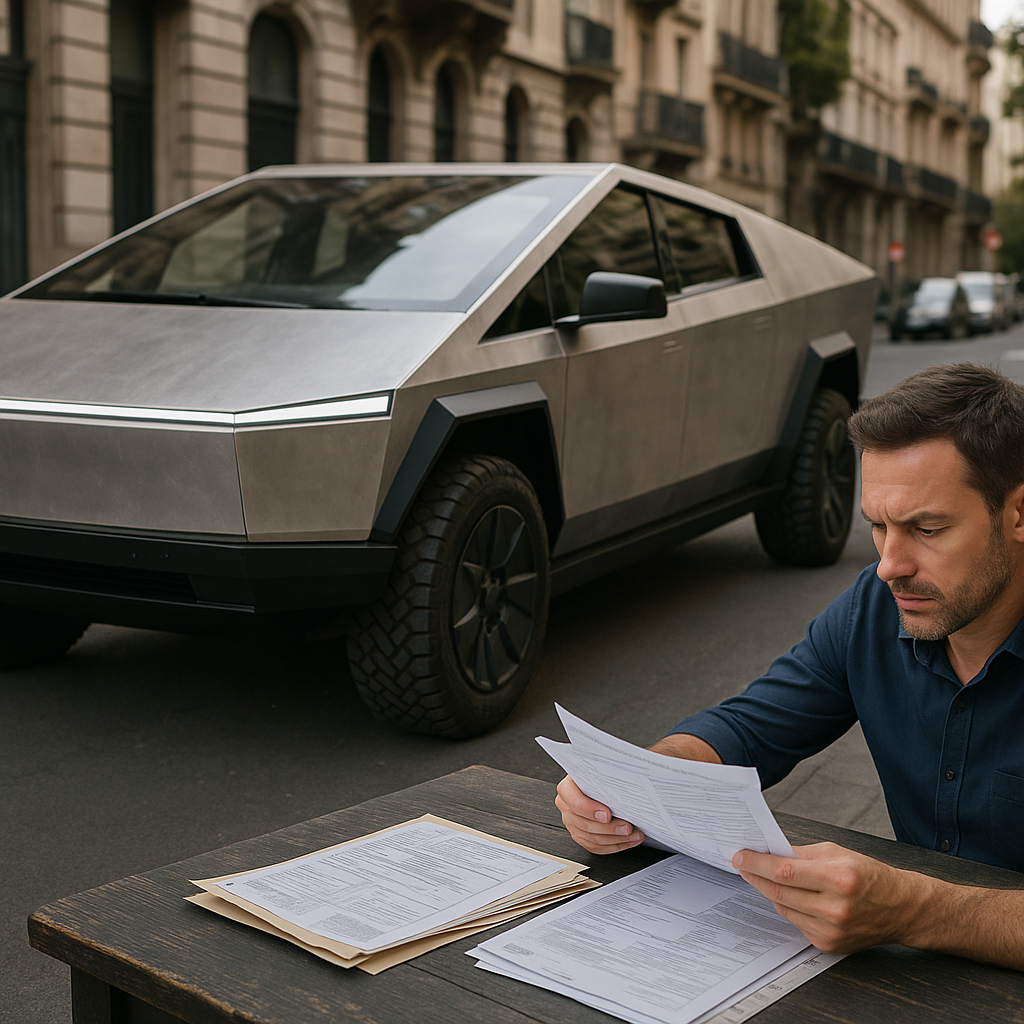
Step 2: Technical adaptation of the vehicle
In the next step, it will be necessary to adapt the Tesla Cybertruck to the technical norms in force in Spain. This may involve modifications to the lighting, exhaust system, and safety systems. We recommend outsourcing this work to a specialized service that has experience working with electric vehicles, which will significantly facilitate the entire process.
Step 3: Application for homologation
After adapting the vehicle, it is time to apply for homologation. You must go to the appropriate homologation unit in Spain to present your documentation and the vehicle. Ensure to contact all necessary institutions to avoid potential delays.
Step 4: Performing technical inspections
Once the vehicle is registered for homologation, it will be necessary to perform technical inspections. During these inspections, inspectors will check whether the modifications made are correct and whether the vehicle meets current safety and environmental standards. This stage is crucial for the success of the entire homologation process.
Step 5: Receiving the homologation document
If your Cybertruck successfully passes all checks, you will receive a homologation document confirming its compliance with Spanish standards. This document is necessary for registering the vehicle in Spain. Remember to keep a copy of this document for future reference.
Step 6: Vehicle registration
The final stage in the homologation process of the Tesla Cybertruck in Spain is registering the vehicle with local transport authorities. For this, you will need the homologation document and other required documentation. After the registration is completed, your Cybertruck will be able to operate legally on the roads of Spain.
Common mistakes in the homologation process of the Tesla Cybertruck in Spain
The homologation of the Tesla Cybertruck in Spain is a complicated process that requires attention to many details. Vehicle owners often make mistakes that can delay registration or increase costs associated with modifications. Here are some of the most common pitfalls and advice on how to avoid them.
Insufficient vehicle documentation
One of the most common problems is the lack of appropriate documentation. It is essential to ensure that you have all required documents related to the vehicle, such as purchase invoices, compliance certificates, or documents regarding any modifications made before starting the homologation process.
Lack of knowledge about local regulations
Not knowing the regulations regarding homologation in Spain can lead to unpleasant surprises. It is worthwhile to continuously keep track of current legal regulations and technical requirements to avoid situations where modifications do not meet local standards.
Neglecting technical modifications of the vehicle
Often, owners of Cybertrucks are unaware that their vehicle requires specific modifications to meet homologation requirements in Spain. Before starting the process, it is advisable to conduct a thorough technical analysis that will allow identifying necessary changes.
Poor communication with relevant institutions
Often, individuals attempting to contact institutions responsible for homologation encounter communication problems, leading to ineffective discussions or misinformation. Therefore, it is worth utilizing the assistance of specialized companies, which are experienced in this field and can facilitate communication and provide essential information.
Forgoing professional assistance
Trying to homologate independently without the right knowledge is often a shortcut that can lead to complications. Investing in specialist services that offer comprehensive support in the homologation process of the Tesla Cybertruck will minimize the risk of errors and expedite the registration process.
What does the homologation process for the Cybertruck look like in Spain? Key information
The homologation of the Tesla Cybertruck in Spain is a key stage that allows for legal use of the vehicle on the roads. We have prepared a practical checklist to facilitate navigating this process.
- Check the vehicle documentation – verify the original documents supplied from the USA.
- Prepare a technical report – order an analysis of the vehicle from specialists.
- Modifications required for homologation – adapt lighting systems and other elements to comply with regulations in Spain.
- Obtain a compliance certificate – a document that confirms compliance with European norms.
- Carry out technical inspections (ITV) – an important step in legalizing the vehicle.
- Register the vehicle at the appropriate office – submit a complete set of documents at the local office.
- Pay any applicable customs and taxes – familiarize yourself with required fees related to importation.
- Collect registration plates and the new registration document – the final step after completing the process.
Myths vs facts
Myth: Homologation of the Tesla Cybertruck in Spain is always impossible.
Fact: The process of homologating the Tesla Cybertruck in Spain is possible, although it requires meeting specific norms and regulations concerning safety and emissions, which may vary depending on the vehicle specifications. Professional help in preparing documentation and understanding requirements is advisable.
Myth: Every Cybertruck can be registered without any modifications.
Fact: Many Cybertrucks require modifications to meet European standards. This may involve adapting lighting systems, braking systems, or suspension. It is worth seeking professional consultation to identify necessary changes and optimize functionalities.
Myth: The homologation process is quick and easy.
Fact: The process of homologating the Tesla Cybertruck in Spain may be more time-consuming than anticipated, especially if the vehicle requires additional modifications. The timeline is also dependent on the workload of the relevant institutions and the specifics of the vehicle, so it’s advisable to devote extra time for preparation.
Myth: Homologation costs are fixed and predictable.
Fact: Actual homologation costs can vary significantly depending on the vehicle's specifications and applicable regulations that may change. Adjustments needed and inspection costs can affect the total procedure cost, so it is worth staying informed about the current requirements.
Myth: Once homologation is obtained, the Cybertruck does not require further maintenance.
Fact: Success in obtaining homologation is not the end of obligations. It is important to regularly monitor the technical condition of the vehicle and its compliance with regulations. Regular inspections and potential updates regarding lighting or changes in European standards will be necessary to ensure the legality of using the Cybertruck in Spain.
What does the homologation process for the Cybertruck look like in Spain? Key information
Suppose a Spanish citizen has purchased a Tesla Cybertruck in the United States and plans to bring it to their country. The homologation process for the Tesla Cybertruck in Spain involves key stages that will help them legalize the vehicle on European roads.
The first step is a thorough analysis of the Cybertruck’s technical condition. An expert from Cybertruck Europe can assist in assessing whether the vehicle meets basic requirements and whether any modifications will be necessary. Often, adjustments for lighting and safety systems to comply with norms in Spain are needed, so attending to those before starting the homologation process is important. Then, the owner must gather the appropriate documentation, including homologation certificates (in the case of import from the USA), quality certificates, and documents regarding changes made.
After preparing the documents, one enters the homologation process itself, which may involve a visit to the vehicle inspection station. An expert will conduct technical inspections (ITV) to confirm that the Cybertruck meets all the norms required for registration in Spain. It is crucial that should any discrepancies arise, the owner can benefit from the adaptation services offered by Cybertruck Europe, significantly streamlining the entire process. The homologation of the Tesla Cybertruck in Spain is a complicated topic, but the professional support we offer will ensure that all formalities proceed smoothly.
What does the homologation process for the Cybertruck look like in Spain? Key information
- Check the vehicle documentation: Ensure all vehicle-related documents, such as certificates and technical details, are complete and authentic. Comprehensive documentation hastens the homologation process for the Tesla Cybertruck in Spain.
- Detailed analysis of technical requirements: Investigate the homologation regulations in Spain to ensure your Cybertruck meets all necessary norms regarding emissions, lighting, and safety.
- Consult with a homologation expert: It's worthwhile to seek advice from a specialist with experience in homologating electric vehicles, which can prevent issues during the process.
- Preparation for conducting ITV tests: Familiarize yourself with the ITV (Inspección Técnica de Vehículos) requirements and prepare for necessary modifications to achieve a successful technical review.
- Timeline planning for homologation: The homologation process may take longer than anticipated, so it's best to prepare for possible delays to make managing expectations and vehicle usage plans easier.
What does the homologation process for the Cybertruck look like in Spain? Key information
Homologation of the Tesla Cybertruck in Spain is an important step that allows for legal use of the vehicle on the roads. Understanding the steps of this process will aid in proper preparation and avoiding unpleasant surprises.
- Analysis of vehicle documentation: This typically takes a few days.
- Technical adjustments and modifications: These may take several weeks, depending on the vehicle specifications.
- Technical inspections (ITV): This usually takes a few days, but it’s wise to schedule an appointment in advance.
- Submitting the application for homologation: This is generally the longest stage, potentially lasting from a few weeks to several months.
- Document collection and vehicle registration: Generally takes a few days after successful homologation.
What does the homologation process for the Cybertruck look like in Spain? Key information
Lack of clear regulations
One of the biggest risks associated with homologation of the Tesla Cybertruck in Spain is the absence of clearly defined regulations for this particular model. The regulatory process for imported vehicles often proves unpredictable, and requirements can differ based on the region and current legal rules.
To minimize this risk, it is advisable to utilize the assistance of homologation experts who are up-to-date with regulation changes and have experience working with electric vehicles like the Tesla Cybertruck.
The need for technical modifications
Another risk is the necessity for technical modifications to the vehicle to comply with European safety and emissions standards. Modifications may include changes to lighting, control systems, and other essential components. Costs and timelines can vary significantly, which presents an additional burden for the owner.
To mitigate this risk, conducting a detailed analysis of the specifications of the specific vehicle prior to purchase is advisable, allowing for an estimate of potential modification costs.
Documentation issues
Challenges often arise concerning the documentation required for homologation. Incorrect or incomplete documents may delay the entire registration process and the admission of the vehicle to traffic. Such situations can cause significant stress and extend wait times.
To reduce the risk of documentation issues, it’s advisable to collaborate with companies specializing in registration assistance, which can provide comprehensive support in preparing the necessary documents.
Delays in the homologation process duration
The last risk is the possible elongation of the homologation process duration, which may affect plans regarding vehicle usage. This timeframe depends on many factors, including the workload of local offices and the characteristics of the vehicle and its modifications.
To mitigate this risk, starting the process as promptly as possible after purchasing the vehicle and regularly monitoring progress is advisable. Collaborating with experienced professionals can also expedite this process.
What does the homologation process for the Cybertruck look like in Spain? Key information
The homologation process for the Tesla Cybertruck in Spain is a key step allowing for legal entry onto European roads. Homologation is formal confirmation that a vehicle meets specified technical and legal standards in the European Union. In the case of importing vehicles from the USA, such as the Cybertruck, it is necessary to adapt them to European requirements, including regulations regarding emissions, safety, and compliance with lighting standards.
In the homologation process, documentation confirming the vehicle's technical properties, such as its specifications and usage history, is also crucial. Additional modifications are usually required, which may involve changes to the lighting system, suspension, or equipment, so the Cybertruck can comply with local standards. Before starting the homologation process, it’s worth verifying up-to-date requirements as they may change depending on the specific model and version.
Remember that the homologation procedure is not the only stage in the vehicle legalization process. After it is completed, Cybertruck owners must also attend to vehicle registration, which also entails additional formalities. Engaging professional assistance can contribute to a smoother overall process. The Cybertruck Europe team is ready to meet your expectations by providing comprehensive support in homologating the Tesla Cybertruck in Spain.