
Published on September 1, 2026 · Marcin Jeziorowski
How to Register a Cybertruck in Europe

When Experience in Importing Cars Isn't Enough: How to Register a Cybertruck in Europe
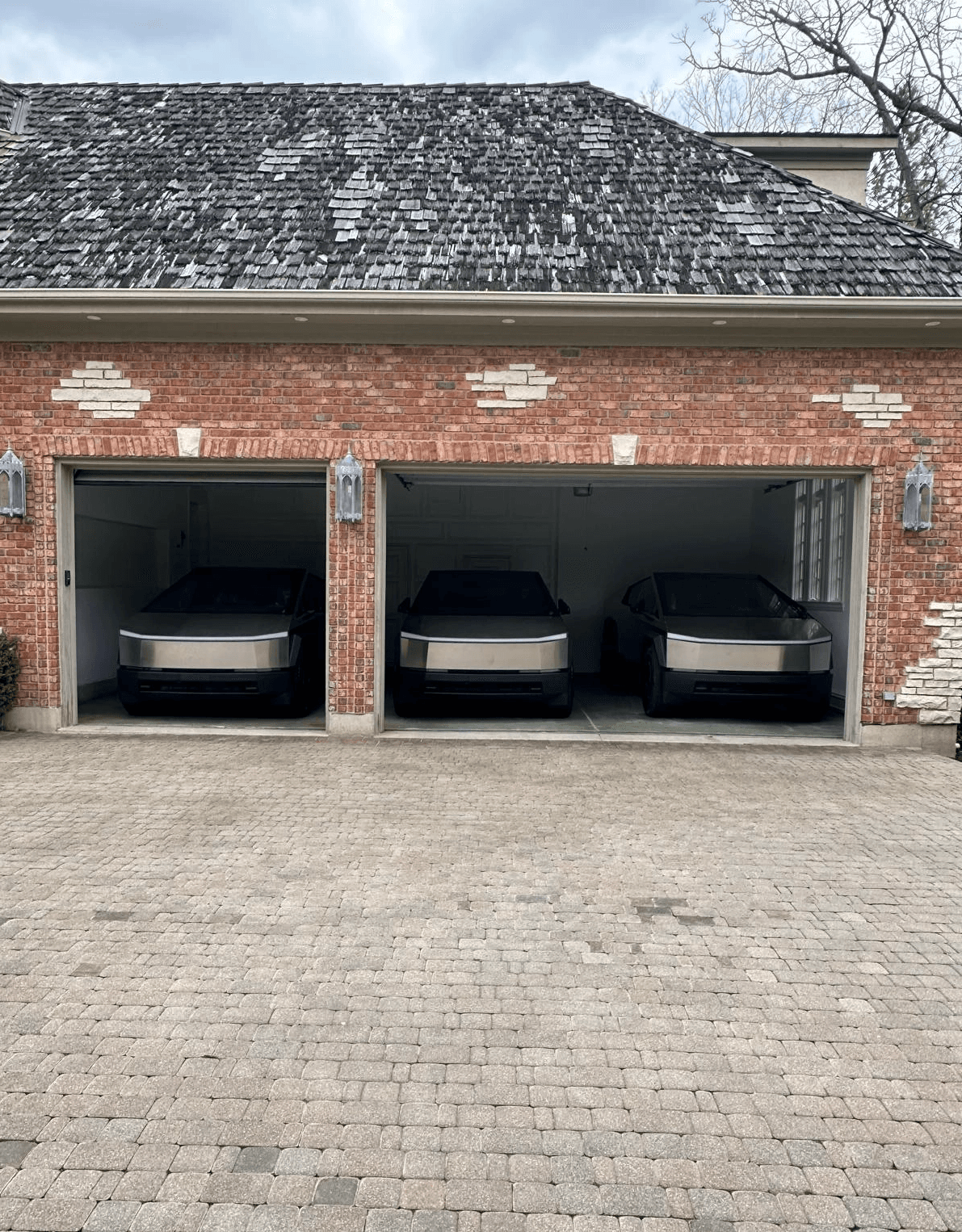
You have imported cars from the USA before. You know about customs clearance, documentation, technical inspections, and individual homologation procedures. You have previously registered a Ford F-150, Hummer, or another American vehicle.
It would seem that registering a Tesla Cybertruck in Europe would simply be another similar procedure.
In practice, it can be quite different.
Recently, we were contacted by a Cybertruck owner from France. He was not a novice importer. He had already undergone the French procedures for American cars, including Hummer and Ford F-150.
He was therefore convinced he could do exactly the same with the Cybertruck.
Only when he began analyzing the documentation and requirements did it become clear that the Cybertruck was a significantly more complicated case.
And his story perfectly illustrates why, in the case of this car, just having experience in importing vehicles from the States may not be enough.
The First Problem: The Tesla Cybertruck Lacks a European CoC
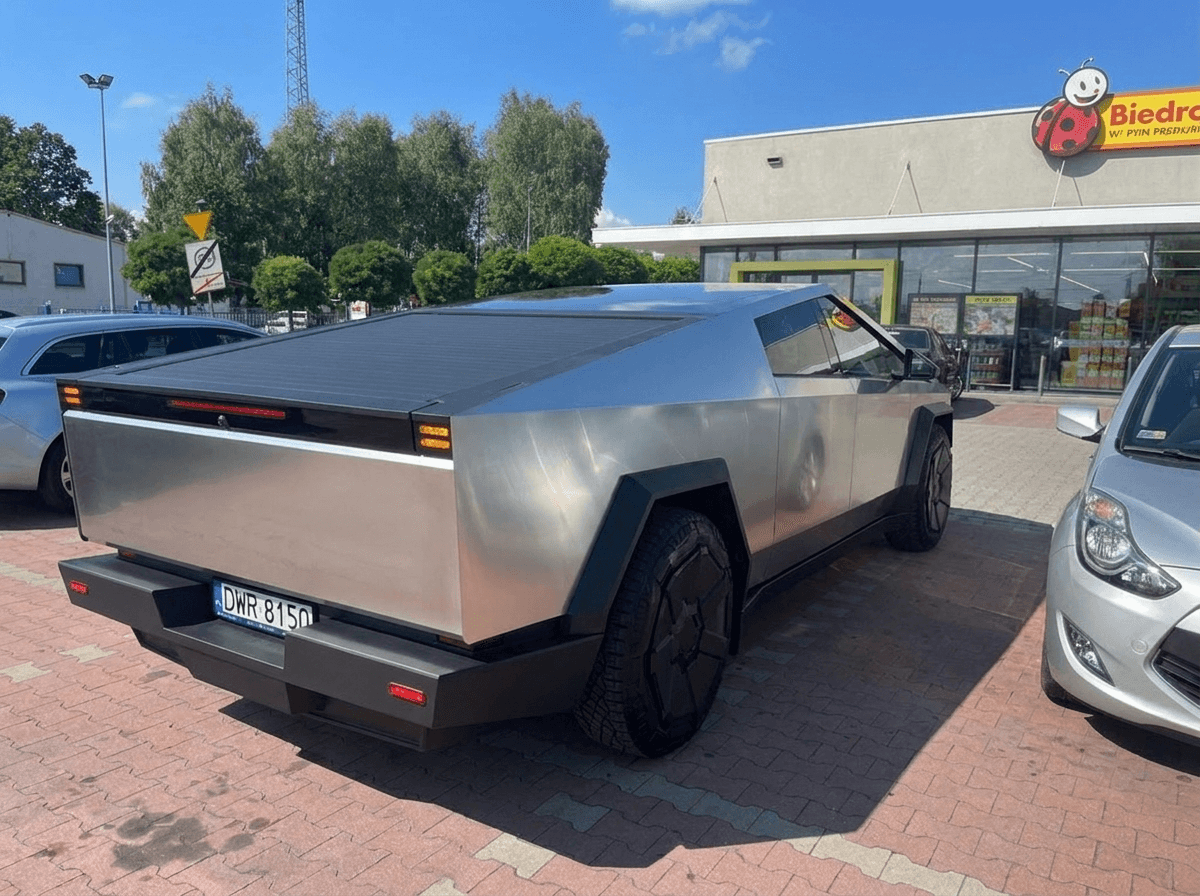
The fundamental problem is not the fact that the vehicle was manufactured in the USA.
The issue is that the Tesla Cybertruck does not have a standard European type approval, based on which the manufacturer could issue a European Certificate of Conformity – CoC.
In the document issued by Tesla France for one of the Cybertrucks, the manufacturer officially states that the vehicle does not correspond to any type that has obtained approval in France or Europe and therefore Tesla cannot issue a European Certificate of Conformity.
However, Tesla confirms that the car complied with the applicable American FMVSS regulations at the time of production.
This is a very significant difference.
A car can be a completely legal vehicle in the United States while simultaneously lacking the documentation required for standard vehicle registration in the European Union.
Tesla France Directs the Owner to an Individual Procedure
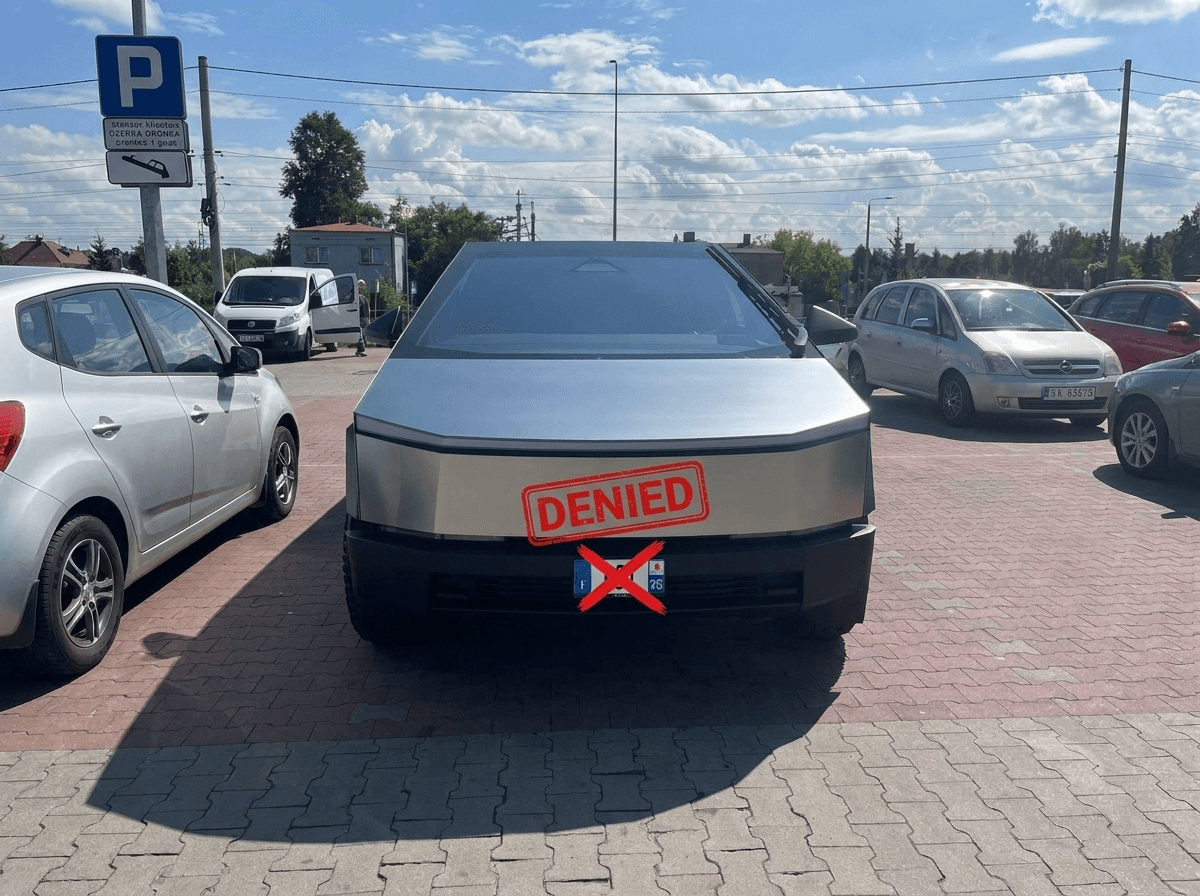
The document from Tesla France does not state that the Cybertruck cannot be registered in France.
It says something far more important.
Tesla indicates that any potential individual exemption should be analyzed by the relevant French bodies, DRIEE/DREAL/DEAL.
This means that the owner cannot simply present a CoC, undergo a standard technical inspection, and register the car like a typical vehicle imported from another market.
He must follow an individual vehicle approval process.
The French administration confirms that when a vehicle does not possess the appropriate European compliance document, one of the solutions is réception à titre isolé – RTI – conducted by DREAL.
And this is where the biggest differences between the Cybertruck and a more typical American vehicle begin.
“I’ve Already Registered a Hummer and F-150. Why Should the Cybertruck Be Different?”
This question was posed to us by an owner from France.
And it is completely logical.
He had previously gone through the testing of vehicles imported from the USA. He knew what contact with the French administration looked like. He knew that additional tests and documentation might be required.
So why not do the same with the Cybertruck?
One can try.
The problem isn't that the French individual approval procedure doesn't exist. The problem is the time, cost, and uncertainty regarding the final outcome.
For an atypical vehicle, additional requirements may arise only during the process. It is necessary to determine the technical documentation, required modifications, classification of the car, and the tests that the relevant authorities will expect.
As a result, a car worth a significant amount of money can be left in the garage for many months while the owner attempts to navigate the administrative stages.
This is precisely the type of case that Cybertruck owners from different European countries contact us about.
What Does the Polish Registration Process for the Cybertruck Change?
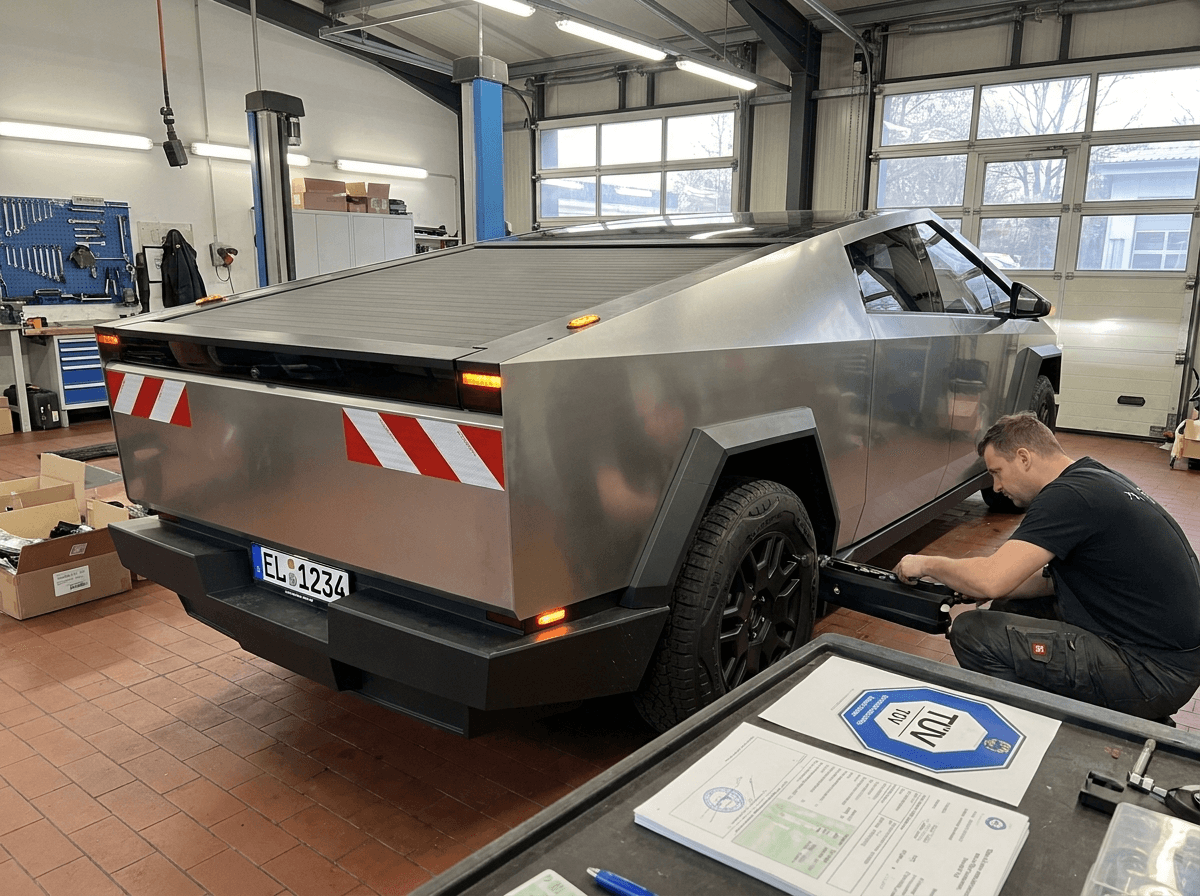
The biggest difference is the experience with a procedure that has already been successfully conducted on actual vehicles.
We do not start with the question:
“Can something be done about this?”
We start with the knowledge of what documents, modifications, and actions were needed for previous vehicles.
For the client, this primarily means reducing uncertainty.
Of course, every car and set of documents must be checked individually. There is no reasonable company that should guarantee an outcome without first verifying the vehicle.
However, the difference between experimenting from scratch and utilizing a procedure that has already been implemented is immense.
In the cases we handle, the entire process can be completed in about three weeks, provided the vehicle and documentation do not reveal additional problems.
The biggest challenge for a client from France, Germany, or Italy is the necessity of delivering the Cybertruck to Poland.
In return, they do not have to spend months discovering the various stages of the procedure by themselves.
The Polish Registration Document for the Cybertruck and the Question of M1, N1, and N2
During the conversation, the French client pointed out a matter that most people would probably not even notice.
We showed him the Polish registration document for the Cybertruck.
The car was defined in it as:
PASSENGER CAR
It had 5 seats, and its gross vehicle weight F.2 was 4159 kg.
However, the client looked at field J.
And he asked:
“Where is M1, N1, or N2?”
That was a very good question.
What Does Field J Mean in a European Registration Document?
Field J is a harmonized European designation for vehicle category.
The Polish regulations also state that in field J, the vehicle category should be entered based on the appropriate documents that form the basis of registration or a previous document containing such information.
In the case of the Cybertruck shown to the client, field J, however, read:
“---”
There was no M1, N1, or N2 listed there.
This, in itself, is a very interesting example of why Cybertrucks should not be analyzed in the same way as production European cars that have full type approval.
Should the Cybertruck Be Classified as M1, N1, or N2?
This requires caution with simple answers.
According to EU classification:
M1 includes vehicles designed primarily for the transport of persons, having no more than eight seats in addition to the driver.
N1 includes vehicles intended primarily for the transport of goods with a maximum mass of up to 3.5 tons.
N2 includes vehicles intended primarily for the transport of goods with a mass of over 3.5 tons and not exceeding 12 tons.
It cannot therefore be stated:
“The Cybertruck weighs over 3.5 tons, so it automatically is N2.”
The N category does not depend solely on weight. The vehicle must primarily be designed and constructed for the transport of goods.
Similarly, one cannot simply classify every five-seat Cybertruck as M1 without analyzing the documentation that forms the basis for specific approval.
In the case of the Polish Cybertruck that we showed the client, the document defines the vehicle as passenger car, but field J itself remains unfilled.
Why did the authorities leave it empty?
This should not be guessed solely based on the photo of the document.
To provide a precise legal answer, the technical documents and documentation based on which the specific VIN was approved and registered should be analyzed.
And it is such details that distinguish true homologation analysis from an online answer like “it’s definitely N1” or “it’s definitely N2.”
Does Polish Registration Mean That the Cybertruck Can Drive All Over Europe?
Here, too, it is worth separating two matters.
Registering a vehicle in Poland and the obligations of the owner arising from their place of residence, business, and method of using the vehicle are not the same thing.
A vehicle with a valid registration, plates, and insurance can participate in cross-border traffic, but an owner residing permanently in France, Germany, Spain, or Italy may simultaneously be subject to national obligations regarding registration, taxes, or the use of a foreign vehicle.
For example, the French Service-Public describes the obligations associated with registering the vehicle of a person settling in France and indicates RTI as one of the documents used in the case of a vehicle without a standard European CoC.
Therefore, we do not sell clients the myth that “Polish plates solve everything forever.”
First, it must be established who will own the car, where the business is located, where the vehicle will actually be used, and which legal model applies.
This is particularly important in the case of a vehicle as distinctive and valuable as the Tesla Cybertruck.
Why Do Clients Contact Us Only After a Few Months?
This is one of the most frequently repeated patterns.
The owner buys a Cybertruck and assumes:
“I’ll do it myself. I’ve already registered cars from the USA.”
They start reaching out to offices, testing stations, and homologation companies.
Weeks go by.
Other questions arise.
Additional documents are needed.
One institution sends them to another.
The owner still has the car, but no certainty when they will be able to use it normally.
It is then that they start looking for people who have been through this path before.
We have had contact with owners from various European countries who reached out to us only after months of attempts to resolve the issue locally.
For them, the greatest value is not even the document itself.
It is time.
Three Weeks Instead of Many Months of Attempts
In the conversation with the French owner, we said straightforwardly:
You can spend one year fighting for it in France, or you can use a procedure that has already been completed successfully.
This does not mean that every French case takes a year, nor that registration in France is impossible.
It means something different.
If there is already a proven way to carry out the procedure for the Cybertruck, the owner needs to ask themselves just one question:
Do they want to build their own path from scratch, or use the experiences of those who have already gone through this process?
In our procedure, we assume about 3 weeks to complete the process with a properly prepared car and documentation.
We do not promise miracles.
We do not claim that the regulations of other countries cease to apply.
We simply know that the Cybertruck requires a completely different approach than a standard car imported from the USA.
Registering a Cybertruck in Europe – Frequently Asked Questions
Does Tesla Issue a European CoC for the Cybertruck?
No, in the case of the American Cybertruck described in the documentation from Tesla France. The manufacturer stated that the vehicle does not correspond to the European type that has been approved and therefore cannot issue a standard European Certificate of Conformity.
Can One Attempt to Register the Cybertruck in France?
Yes. France has an individual approval procedure RTI conducted by DREAL. However, one should not equate the existence of a procedure with a guarantee of positive outcomes in a specific case.
Does the Cybertruck Have to Be M1, N1, or N2?
These categories result from European regulations regarding the construction and intended use of the vehicle. A category cannot be correctly assigned based solely on weight or the number of seats.
How Long Does Registration of the Cybertruck Take Through Our Procedure?
With complete documentation and a vehicle prepared according to requirements, we assume about 3 weeks. However, we verify each case before starting the procedure.
Does the Cybertruck Need to Be Brought to Poland?
Yes. If the procedure is to be carried out in Poland, the vehicle must be delivered to Poland to perform the necessary actions.
Do You Own a Cybertruck and Are Stuck with Registration?

If your Cybertruck is currently in a garage in France, Germany, Italy, Spain, or another European country and you have been trying for weeks to determine how to legally conduct its registration, talk to us before starting any further costly tests.
You don’t have to believe promises.
Show us your car and documents.
We will check where you are in the process, what documents you already have, and if we can apply the procedure we use for other Cybertrucks.
In the case of a car worth tens or hundreds of thousands of euros, the most expensive mistake is often not the cost of a single test.
The most costly are the months wasted on a process that does not lead to registration.
Tesla Cybertruck. Europe. Done properly.
Contact us and check the possibility of registering your Cybertruck in Europe.
Related posts
September 9, 2026
How to Choose the Best Leasing for Tesla Cybertruck?
Are you wondering how to choose the best leasing for Tesla Cybertruck in Poland? Read our guide to make an informed decision.
Read more →
September 4, 2026
How to Prepare Your Cybertruck for ITV in Spain? Quick Tips
Preparing your Cybertruck for ITV in Spain can be challenging. Check our quick tips to ensure that your vehicle is ready for inspection!
Read more →
September 4, 2026
How to Effectively Service and Maintain the Tesla Cybertruck in Spain?
Learn how to efficiently service and maintain the Tesla Cybertruck in Spain to fully enjoy its potential.
Read more →